Choosing the Right Rental Vehicle for Work, Holidays, and Everyday Travel in Africa
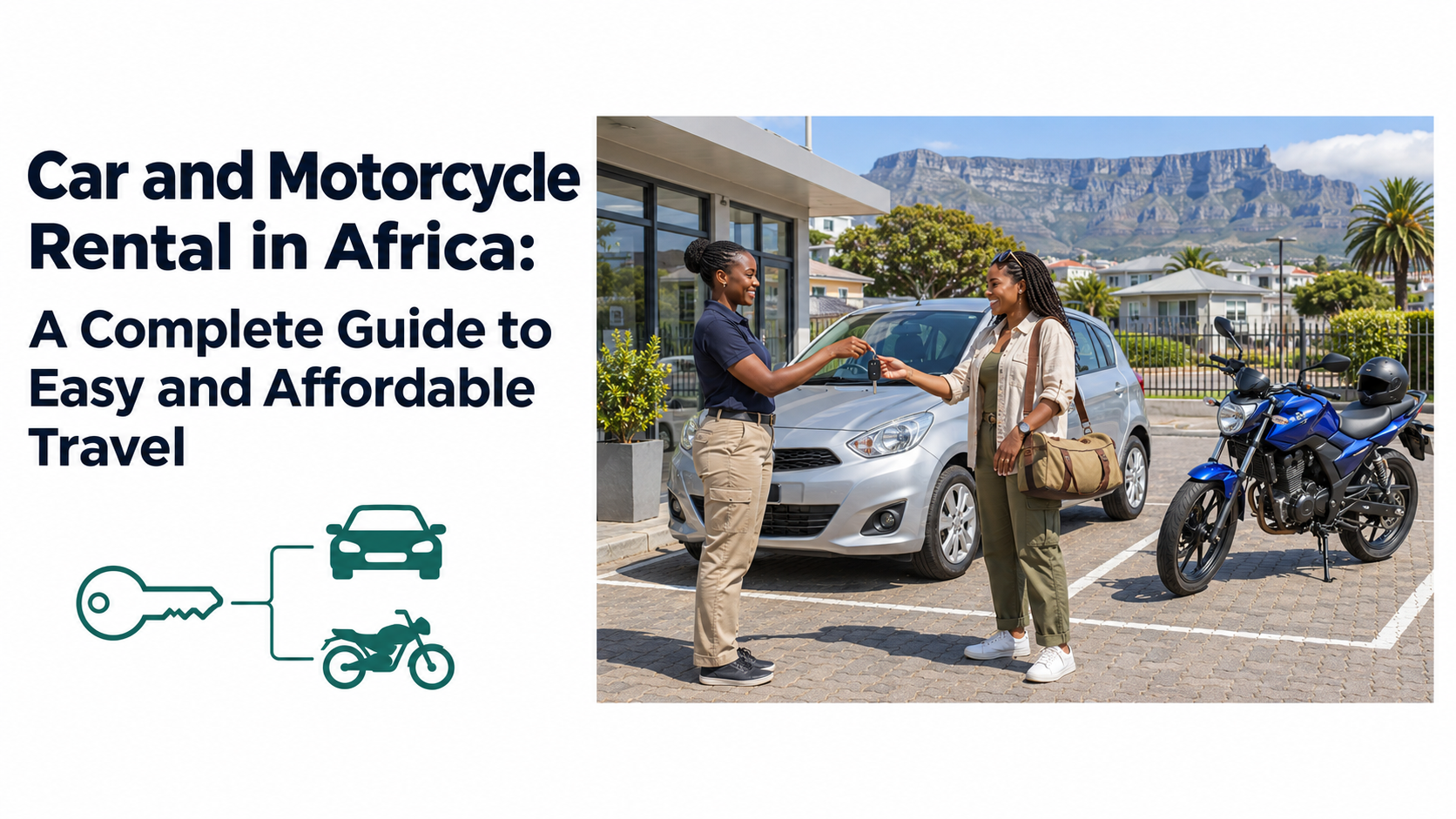
Transport plays an important role in daily life. It helps people reach work, visit family, and explore new places.
But buying a vehicle does not suit every situation. Sometimes, you only need transport for a short period.
A rental vehicle can help meet that need. You can choose a vehicle based on your journey and budget.
However, every rental needs proper planning. You should check the vehicle, rental price, documents, and conditions.
This guide explores ten vehicle rental options across Africa. It also explains how to compare offers and avoid common booking problems.
1. Car Rental Buea Cameroon: Find a Vehicle for Your Schedule
Your daily schedule can help you decide which car to rent. A short city journey may need a small car. A family outing may need more passenger space.
Think about your travel plans before contacting a provider.
For example, consider someone who needs a car for several meetings. A comfortable vehicle with enough luggage space may suit that schedule.
A family travelling together may need more seats.
Check these details before choosing:
- Passenger capacity: Confirm the number of available seats.
- Luggage space: Check whether your bags will fit.
- Vehicle condition: Inspect the tyres, brakes, and lights.
- Rental duration: Confirm the collection and return dates.
- Fuel policy: Understand the fuel requirements.
- Total cost: Ask about deposits and additional charges.
Also, confirm the vehicle's permitted travel area. Ask whether the provider allows longer journeys.
Inspect the car before accepting it. Take photos of existing scratches and visible damage.
Keep your rental agreement and payment records. These documents can help clarify the agreed conditions.
2. Car Hire Cape Town: Choose Based on Your Travel Group
The number of travellers can change your vehicle choice. A couple may need a different car from a family with children.
Your luggage also matters.
A small car may suit light travel around the city. A larger car may offer more space for passengers and bags.
Before booking, create a simple travel plan.
Write down your destinations and expected travel distance. Decide how many people will travel. Then compare vehicles that match your needs.
Review these booking details:
- Daily rental charges.
- Total rental price.
- Security deposit.
- Insurance coverage and exclusions.
- Fuel and mileage rules.
- Additional driver conditions.
- Collection and return arrangements.
Ask about roadside assistance. Find out how the provider handles breakdowns.
Do not choose an offer only because it has a low price. Check the complete terms first.
A clear agreement helps you understand what the rental includes. It also explains your responsibilities.
3. Motorcycle Rental Cape Town: Prepare Before Starting Your Journey
A motorcycle may suit experienced riders who need transport for selected journeys. It can also work for some short trips.
But riders should consider safety before convenience.
Choose a motorcycle that matches your skills. Make sure you can handle its size and controls.
Before accepting the vehicle, inspect these parts:
- Tyres and wheels.
- Front and rear brakes.
- Headlights and indicators.
- Mirrors and handlebar controls.
- Horn and warning lights.
- Visible leaks or damage.
- Fuel level.
Ask the provider about maintenance records. Confirm the process for reporting mechanical problems.
Check the required licence and documents. Wear a suitable helmet and protective clothing.
Avoid riding if the vehicle has a serious fault. Contact the provider and request assistance.
Good preparation helps you make a safer rental choice.
4. Motorcycle Rental Johannesburg: Make Road Safety Part of Your Plan
Every motorcycle journey needs careful planning. This becomes more important when you travel through unfamiliar areas.
Start by checking your route. Consider traffic, weather, and travel time.
Choose a motorcycle that feels comfortable. Do not select a model that exceeds your riding ability.
Before collection, confirm:
- Rental dates and times.
- Collection and return points.
- Total rental charges.
- Deposit conditions.
- Fuel and mileage rules.
- Required driving documents.
- Emergency contact information.
Inspect the motorcycle with the provider. Record existing scratches or other visible damage.
Ask what happens if the motorcycle breaks down. Understand the provider's support process.
Follow local road rules and speed limits. Keep a safe distance from other vehicles.
Never use your phone while riding. Stop somewhere safe if you need directions or assistance.
5. Pickup Truck Rental Buea: Plan Your Delivery or Moving Task
A pickup truck can help with many transport jobs. People may need one for business deliveries, equipment, or household goods.
The right truck depends on the items you plan to carry.
Start by measuring your cargo. Estimate its total weight. Then check the truck's loading space and permitted capacity.
Consider these details:
Requirement
What to check
Cargo size
Loading bed length and width
Cargo weight
Maximum permitted load
Passengers
Available seating
Protection
Covers and securing equipment
Route
Road access and vehicle size
Fuel
Expected fuel needs
Rental time
Loading and delivery schedule
Never exceed the truck's stated load limit. Secure all goods before driving.
Heavy items should remain balanced. Loose items should not move during travel.
Ask the provider whether your planned work falls within the rental conditions. Confirm the return time and any extra charges.
For business use, estimate how long the task will take. This can help you avoid booking too little time.
6. Car Rental Gwanda Zimbabwe: Check Every Detail Before Collection
A rental car can help with family visits, business meetings, and personal travel. It may also support visitors who need temporary transport.
Start by choosing a vehicle that fits your journey.
Consider passenger numbers, luggage, and travel distance. Then compare the available rental terms.
Use this checklist before confirming:
Vehicle details
- Does the car have enough seats?
- Is there enough luggage space?
- Does the vehicle suit your planned route?
- Has the provider explained its condition?
Booking details
- What is the full rental price?
- Is a deposit required?
- What fuel level must you return?
- Are there mileage restrictions?
- Which documents must you provide?
Return details
- Where should you return the vehicle?
- What time must you return it?
- Who will inspect the vehicle?
- How will the provider confirm the handover?
Ask about cross-border travel if you plan to leave Zimbabwe. You may need extra permission and documents.
Get written confirmation before making such a journey. Never assume that the provider allows international travel.
7. Self Drive Car Rental South Africa: Understand the Full Agreement
Self-drive rentals let customers drive the vehicle themselves. They can suit travellers who prefer to manage their own schedules.
However, the driver must follow the rental agreement. The driver must also meet local legal requirements.
Start by checking your licence. Ask the provider whether you need additional documents.
Next, read the agreement carefully.
Pay attention to these conditions:
Driver eligibility: Confirm who can drive the vehicle.
Insurance: Understand coverage, exclusions, and excess payments.
Mileage: Check whether the agreement limits distance.
Fuel: Confirm the required fuel level at return.
Accidents: Learn how to report an accident or damage.
Breakdowns: Save the provider's support number.
Late returns: Understand the possible extra charges.
Before departure, inspect the car. Photograph the exterior, interior, dashboard, and visible damage.
Keep the agreement with you. Save payment receipts and important messages.
Never allow an unauthorised driver to use the vehicle. Report mechanical problems as soon as you notice them.
8. Electric Car Rental Cape Town: Understand the Charging Routine
Electric vehicles need a different type of travel plan. Drivers must consider battery range and charging access.
Before renting, check whether the vehicle suits your planned distance.
Ask the provider about the expected range. Also, confirm the charging connector and cable requirements.
Here are useful questions to ask:
- What is the expected battery range?
- Which charging connectors does the vehicle support?
- Is a charging cable included?
- Where can I charge during the journey?
- How long may charging take?
- What battery level should I return?
- Are charging costs included?
Actual battery range can change with driving conditions. Speed, weather, terrain, and air conditioning can affect energy use.
Plan charging stops before leaving. Allow extra time for longer journeys.
Learn how to use the charging system. Check the battery level during collection.
Do not plan a long journey without checking charging access. A good plan can help reduce unnecessary delays.
9. Peer to Peer Car Rental South Africa: Make Informed Rental Connections
Peer-to-peer vehicle rental connects owners with potential renters. It gives vehicle owners another way to present their vehicles.
It also allows renters to explore marketplace listings.
MotoShare Africa focuses on vehicle rental connections across African markets. The platform helps users explore vehicle rental opportunities.
Learn more at https://motoshareafrica.com/.
Before making an agreement, renters should review the listing carefully. Owners should provide accurate vehicle details.
What renters should check
- Vehicle description and photos.
- Rental dates and collection details.
- Total price and deposit.
- Insurance information.
- Cancellation conditions.
- Vehicle inspection process.
What owners should prepare
- Accurate vehicle information.
- Clear and recent photos.
- Honest condition details.
- Written rental conditions.
- Clear payment expectations.
- A proper handover process.
Both sides should discuss important questions before confirming. Keep written records of agreed terms.
A marketplace helps people discover rental connections. It does not remove the need to check the agreement.
10. Rent Out Your Car South Africa: Set Clear Rules for Every Booking
Vehicle owners may consider renting out a car when they do not use it regularly. But preparation should come before accepting renters.
Start by checking your insurance policy. Ask your insurer whether it covers rental use.
Also, review local legal requirements. Get professional advice if you need help understanding them.
Prepare your car with these steps:
1. Inspect the vehicle
Check tyres, brakes, lights, and important controls. Fix serious problems before listing the car.
2. Clean the interior
Clean the seats, dashboard, windows, and exterior. Remove personal items.
3. Take useful photos
Show the vehicle from several angles. Include clear interior and exterior photos.
4. Write an accurate description
Mention the vehicle type, seating capacity, and condition. Do not make unsupported claims.
5. Explain rental conditions
Set clear rules for payment, deposits, collection, and return.
6. Record the handover
Take photos before and after each rental. Keep records of dates and payments.
7. Prepare for unexpected events
Explain how you will handle late returns, accidents, and breakdowns.
Owners should never hide existing damage. Honest listings help renters understand what they are considering.
A Practical Rental Budget Checklist
Your rental budget should include more than the basic daily price.
Consider these possible costs before confirming:
Cost item
Why you should check it
Rental charge
Main cost for using the vehicle
Deposit
Money held under the agreement
Fuel or charging
Energy needed during travel
Insurance excess
Possible payment after covered damage
Extra driver
Possible additional charge
Late return
Possible fee for delays
Cleaning
Any agreed cleaning charge
Not every provider uses the same fees. Ask which charges apply to your booking.
Keep enough money for travel needs beyond the rental price. This helps you plan with fewer surprises.
What to Do When a Rental Problem Occurs
Even a well-planned rental can face unexpected problems. A vehicle may develop a fault. A return may become delayed.
Know how to respond before such problems occur.
- Stop in a safe place if the vehicle develops a serious fault.
- Contact the provider using the agreed process.
- Explain the problem clearly.
- Take photos when it is safe to do so.
- Keep records of important messages.
- Follow the provider's instructions.
- Avoid making repairs without permission unless safety requires immediate action.
For accidents, follow local reporting requirements. Contact emergency services when needed.
Do not ignore warning lights or unusual sounds. Early action can help prevent further damage.
Frequently Asked Questions
1. How do I choose a rental vehicle for a family trip?
Check the number of passengers and amount of luggage. Choose a vehicle with suitable seating and storage space.
2. What should I compare before booking a car?
Compare the full price, insurance, deposit, mileage, fuel rules, and return conditions.
3. Is motorcycle rental suitable for short journeys?
It may suit some short journeys. Riders must meet licence requirements and use suitable safety equipment.
4. How can I choose a pickup truck for deliveries?
Check the cargo size, weight, loading space, and route. Never exceed the vehicle's permitted load.
5. What should I know about self-drive rentals?
Understand the driver rules, insurance, fuel policy, mileage limits, and return process before accepting the vehicle.
6. What makes electric vehicle rental different?
Drivers need to plan battery use and charging stops. They should also understand the charging and return conditions.
7. How can vehicle owners prepare for peer-to-peer rentals?
Owners should check insurance, review local requirements, inspect the vehicle, and create clear rental conditions.
8. Why should renters photograph a vehicle?
Photos record the vehicle's condition during collection. They can help clarify existing damage during the return process.
Final Thoughts
The right vehicle can make a journey more practical. But choosing well requires careful checks.
Start with your travel purpose. Compare suitable vehicles and review the complete rental cost.
Inspect the vehicle before departure. Understand the agreement and keep important records.
Vehicle owners should also prepare carefully. Accurate descriptions, clear photos, and written rules help set better expectations.
Whether you need a car, motorcycle, pickup, or electric vehicle, plan before booking. A careful approach can make your next rental easier to manage.